All Articles
Black Friday 2026: 6 Quick Fixes for Your eCommerce Strategy
By Josh McGregor • Last updated: Friday Sep 18th, 2026

Last year taught us some valuable lessons which you can use to optimise your Black Friday strategy for 2026.
Firstly, traffic from AI tools to US eCommerce sites increased by 805% year on year in Black Friday 2025.1 This demonstrates just how rapidly shoppers are adopting this technology as part of their buying journey.
However, sales throughout Black Friday month in 2025 fell unexpectedly in the UK, dropping by 0.1% month on month against a predicted 0.4% increase.2 This could be due to the continued cost of living strain on shoppers.
While the event still brings a multitude of opportunities for sales, an up-to-date Black Friday strategy is key for adapting to changing shopper behaviour.
Let’s take a look at some quick ways you can transform your Black Friday strategy, ready for 2026.
What is Black Friday?
Originating in America, Black Friday has grown in popularity in the UK, with shoppers making the most of major discounts before Christmas.
How long does Black Friday last?
Black Friday began as a one day event, but it’s now expanded into a full month of discounts and deals. In recent years, many retailers have begun running offers from the beginning of November.
The day is part of what’s known as the ‘Cyber Weekend’, which ends with Cyber Monday on the following Monday. Additionally, while brands debate whether Black Friday or Cyber Monday is more important, there is no competition. Both dates are extremely important for your website, and so is the entire month of November.
When is Black Friday this year?
This year, the key eCommerce date falls on Friday 27th November 2026.
Why should you update your eCommerce strategy?
Shopper behaviour is changing almost faster than we can keep up, evidenced by the huge increase in shoppers using AI to assist their Black Friday purchases last year. Adapting your strategy is essential to get your brand noticed and deliver the elevated experiences modern shoppers are expecting.
Black Friday has also become a much bigger event over the years, with retailers across the globe adopting events like Singles Day on the 11th November to start deals even earlier. Therefore, it’s important you prepare your eCommerce strategy well ahead of time to ensure you can capitalise on the revenue potential of these events.
Instead of waiting for Black Friday to find a deal, 2026 shoppers will be showing high purchase intent from the start of the month. You need to be ready to capture and convert this traffic effectively, or risk losing sales to your competitiors.
Additionally, with the closure of physical stores slowing down in 2025 and a trend towards physical experiences, buyers may be more inclined to shop in person.3 This means your on-site experience really needs to shine if you want to attract customers throughout Black Friday.
With buyer behaviour evolving every year, updating your Black Friday eCommerce strategy will help you meet the needs of your customers. So let’s take a look at some quick fixes.
Suggested reading: Want to learn some easy ways to boost conversions year-round? Check out our article ‘7 Quick Wins to Drive More eCommerce Sales‘.
How to optimise your eCommerce strategy for Black Friday
1. Use data and AI to inform your strategy
Many shoppers are now using AI to assist them during Black Friday, and you should be too.
Leveraging shopper data is key to creating engaging experiences with your brand, but without the right tools, it can be seriously time-consuming.
However, by harnessing AI-powered tools, you can use real-time behavioural data to effortlessly create hyper-personalised shopping experiences.
For example, Salesfire builds a detailed profile of every visitor on your site, then uses AI to adapt their experience in real time across your website, emails and SMS.
By ensuring shoppers always receive the most relevant messaging, you can boost shopper engagement and maximise conversions.
Suggested watching: Do you use Klaviyo for email retargeting? Discover how Salesfire’s AI integration could boost your revenue. Download our webinar ‘Elevating Klaviyo Flows with AI Identification’.

2. Create a user-friendly experience
What does your current user journey look like?
From your homepage to checkout and everything in between, it’s crucial to optimise all touchpoints that your shoppers interact with.
You want to make it as easy as possible for your shoppers to find what they’re looking for and then navigate to the checkout.
For example, if you’re setting up specific Black Friday pay-per-click ads, consider linking them to a dedicated landing page. By making this page super-relevant, shoppers can easily find the products they saw in the ads. This can help to reduce bounces and increase the likelihood of conversion, maximising your ROAS.
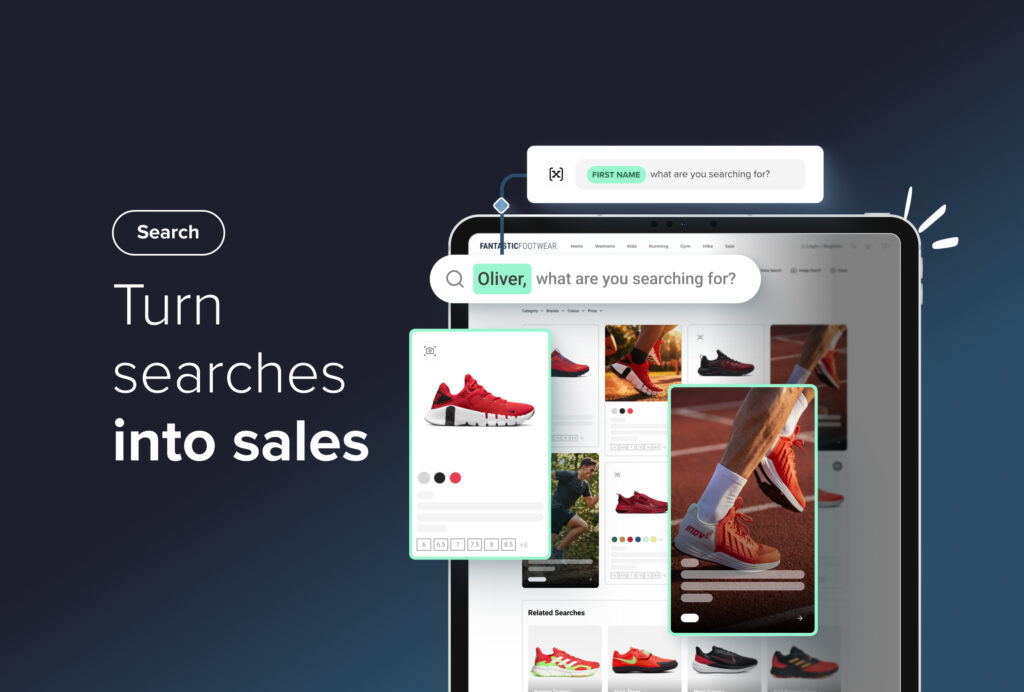
Another way you can optimise product discovery is by making sure you have an effective search function in place. AI-powered search tools work great for this, understanding shopper intent in a more in-depth way than standard tools and delivering faster and more relevant results.
By keeping product discovery speedy, you get shoppers through the checkout before their purchase intent drops off.

3. Make sure your promotions are front and centre
You’ve set up your promotional codes, your PPC ads are primed, and your stock is ready to go. Now it’s time to highlight your deals on your website.
How you promote your deals on your website itself can be easily overlooked during this hectic time. However, it’s important not to miss this step.
Seasonal advertising needs to be displayed throughout the entire site, not just on your homepage alone. This is because if a shopper enters your site through a landing page, they could miss your promotions entirely.
On-site messaging tools can help you maximise the visibility of your deals by displaying them at key points in the customer’s journey. For example, you could trigger a campaign when shoppers go to leave your site, highlighting some of your biggest deals or discount codes. This could be just enough to keep them from leaving.
By making visitors aware of your deals at the right time, you can drive conversions and encourage shoppers to build bigger baskets.

4. Think beyond discounts
At a time when every retailer is putting their best deals forward, differentiating yourself from the competition is crucial.
Promotions might draw shoppers to your website, but it’s the brand experience that will make them stay.
Consumers expect a seamless online shopping experience, with over 50% saying a difficult shopping experience negatively impacts their brand loyalty.4 This means a poor shopping experience during Black Friday could prevent a shopper from returning to buy from you in the future.
Therefore, creating positive experiences that build loyalty can help you get even more value from your seasonal shoppers by turning them into long-term customers.
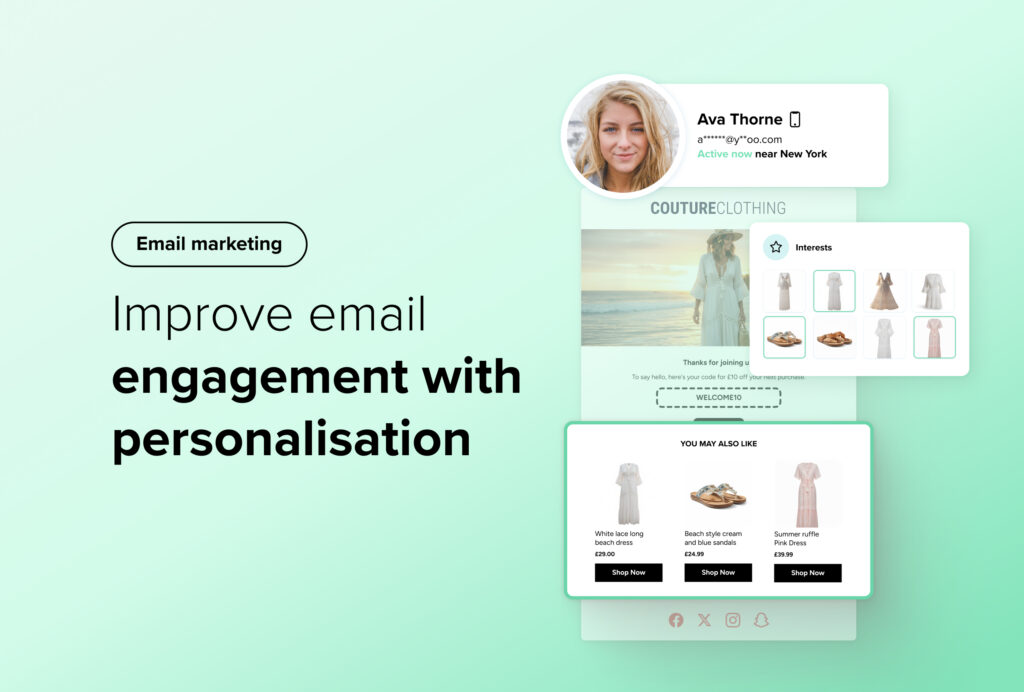
Additionally, there are other ways to drive extra revenue without relying on promotions. For example, displaying personalised product recommendations within your emails, on product pages, and at checkout. This can help to drive upsells, cross-sells, and introduce shoppers to products they might have missed.
While discounts are an inherent part of Black Friday, delivering a strong customer experience and showcasing your products in the best light can help to boost conversions.

5. Maximise the opportunity for impulse purchases
The urgency of finding the best Black Friday deals significantly increases conversion rates.
Shoppers will check out much quicker to avoid missing out on their favourite products and gift ideas at limited-time low prices.
With visitors more likely to make impulse purchases, you need a Black Friday strategy that helps you seize these opportunities.
SMS marketing can be great for cutting through the Black Friday noise and reaching your shoppers with urgent, conversion-driving messaging.
It requires you to be short and snappy, which can be great for promoting flash sales or limited-time discounts. Reaching shoppers directly in their pockets or hands, SMS can encourage immediate action that increases your Black Friday conversion rate.
Suggested reading: Learn how to send effective SMS campaigns in our article ‘Beginner’s Guide to SMS Marketing’.

6. Send engaging retargeting emails
While sales are likely your main Black Friday goal, all hope is not lost if shoppers don’t convert immediately.
Make sure you’re using data capture campaigns to collect email addresses from your Black Friday traffic, as this will ensure you can reach them again later.
Pro tip: Offering a monetary incentive, such as £5 off, can encourage more shoppers to subscribe to your email marketing.
Once you’ve secured a shopper’s email address, you can then send emails to follow up on their Black Friday visit.
Browse and cart abandonment email flows are essential to include within your Black Friday strategy. These can remind distracted shoppers of the items they left behind, encouraging them to return to your site and convert.
These retargeting emails can help you recover all-important revenue from shoppers who otherwise may have disappeared completely.
Suggested reading: Check to see if your email campaigns follow best practices using our guide ‘Email Marketing Best Practices‘.
You’re Black Friday ready
You should now have a good idea of how to make the most of the surge in traffic through your site.
By offering a great online shopping experience for Black Friday, you’ll not only boost sales but also build up your repeat customer base.
It’s also important to remember that it isn’t all about discounts. Optimising the entire customer journey with our quick fixes, from first visit to post-purchase, can help you truly succeed this Black Friday.
1 Winners and losers of Black Friday 2025 | Retail Dive
2 Retail sales fall as Black Friday deals fail to lure shoppers | BBC News
3 Retail sector in the UK | House of Commons Library
4 The loyalty illusion: Why companies think they’re winning when customers are walking away | PwC
You can easily implement these quick fixes ahead of Black Friday with Salesfire. Chat to one of our experts at [email protected] or request a free demo to get started.


Author
Josh McGregor
Chief Marketing Officer