 All Articles
Turn Q4 Wins into 2026 Growth with First-Party Data
By Lucy Bedford • Last updated: Thursday Nov 27th, 2025

From Cyber Weekend to the Boxing Day sales, Q4 can drive high levels of traffic to your site. However, once January rolls around and the excitement of Christmas has worn off, these figures can drop.
Q1 can be a challenging time to attract new visitors to your site, with many shoppers reining in spending. Therefore, harnessing first-party data to nurture your existing shoppers can be the solution to sustaining your success.
In this article, we’ll explore the importance of first-party data, how to collect it, and cover sales-driving strategies for Q1.
The value of first-party data in Q4 and beyond
What is first-party data, and why is it important?
First-party data includes any data collected by you directly and voluntarily from shoppers interacting with your brand online. As consumer concerns around data privacy and third-party cookies grow, this type of data is becoming more valuable to eCommerce brands.
Collecting your own first-party data, rather than relying on third parties, has specific advantages for both your brand and shoppers, including:
- Requiring explicit consent
- Increased transparency surrounding data usage
- Improved accuracy of collected data
- Guaranteed compliance with data privacy laws
Suggested reading: To learn more about first-party data and the benefits of collecting it, read our article ‘What Is First-Party Data and Why Is It Important in 2024?’.
Why collect first-party data during Q4?
In 2024, eCommerce sales jumped by 22.1% from Q3 to Q4.1 This shows that Q4 still remains an important event in the eCommerce calendar, attracting many high-intent shoppers to your site.
However, while intent may be high, not all of your visitors will place an order during Q4. They may become distracted or end up purchasing elsewhere.
Collecting an email address or mobile number from these shoppers gives you the opportunity to retarget them and secure a future sale. Capturing more complex first-party data, like their on-site activity, also means you can re-engage them with hyper-personalised content.
Having access to first-party data extends the window of time you can communicate with your Q4 shoppers. Therefore, it’s essential that you maximise the data you collect.
By optimising your site for data capture, you can boost your email and SMS subscribers, track browsing behaviour and understand customer preferences. With these insights, you can then develop and deliver data-driven eCommerce strategies that foster long-term customer relationships across the new year.
How to capture first-party data effectively
When it comes to capturing customer data, you should view it as a transaction in itself. Shoppers are more likely to offer their information, such as email addresses and phone numbers, if they receive something in return.
For example, you could run a loyalty scheme where customers can access exclusive rewards in exchange for repeat purchases. Shoppers are often willing to provide useful data, such as birthdays and emails, if it means they can access rewards.
You could also use an on-site messaging tool to automatically display data capture campaigns at the optimal moments in your shoppers’ journeys. By displaying an incentive or message at just the right time, shoppers are more likely to provide their data.
Using more advanced data capture technology, you can also gather data on a shopper’s real-time activity, such as:
- Products viewed
- Items added to cart
- Device visited from
Pro tip: When using an incentivised newsletter sign-up campaign to collect first-party data, try using a monetary discount rather than a percentage. Shoppers are more likely to enter their data when they can easily calculate the value they’ll receive.
Further reading: To discover more ways to capture first-party data on your eCommerce site, take a look at our article ‘6 Ways to Collect First-Party Data: Sources, Examples and Collection Methods’.
Strategies to leverage first-party data post-Q4
Once you’ve collected first-party data from your shoppers during Q4, you need to plan how you’ll use it. Without a clear strategy for how you’ll apply your collected data, you render it effectively useless to your business.
Here’s how you can use your first-party data from Q4 to nurture shopper relationships and drive sales in Q1.
1. Personalised shopping experiences
One of the main ways you can utilise first-party data within your marketing strategy is by providing personalised on-site experiences.
With 80% of shoppers preferring brands that offer personalised experiences, personalising your site can help encourage sales during a quieter Q1.2
You can use AI-powered tools to dynamically adjust the content displayed on your site depending on the shopper viewing it.
However, it’s important to consider that a shopper’s browsing and buying behaviour during Q4 might not reflect their own preferences. During this time, they’ll have likely been shopping for gifts for others. Therefore, you should ensure you’re using the most up-to-date data where possible.
You can do this using solutions like Salesfire, which use real-time shopper data to influence the content you display on-site. This means everything from your on-site messaging to product recommendations will be relevant to the shopper’s latest activity.
By displaying personalised content at key points across your site, you can boost shopper engagement and inspire purchases. This can be especially effective during Q1 when frugal shoppers may need extra motivation to buy.
Suggested reading: Discover additional ways to enhance your on-site personalisation by reading our blog ‘How SMEs Can Achieve Personalisation at Scale’.
2. Enhanced customer segmentation
You can use the behavioural data you collect from shoppers during Q4 to understand their buying habits and preferences.
By looking at shoppers’ historical interactions with your brand, you can create highly-specific segments based on:
- Average order value: Divide up customers based on whether they spend a large amount in one go, or prefer to check out with smaller baskets.
- Deal-seeking behaviours: Group together shoppers who have previously ordered from you during a sale or used a discount code. They may be interested in hearing about future offers.
- Item value: Categorise shoppers by their tendency to choose lower or higher-priced items to target them by budget.
You can then use these segments to improve your shopper targeting across your email, SMS, and paid ad campaigns. For example, you could create a Google Ads audience that targets price-savvy shoppers with your most discounted products.
By understanding a shopper’s needs, you can target them with messaging that really speaks to them. This will help to strengthen shopper relationships and drive repeat sales over the coming months.
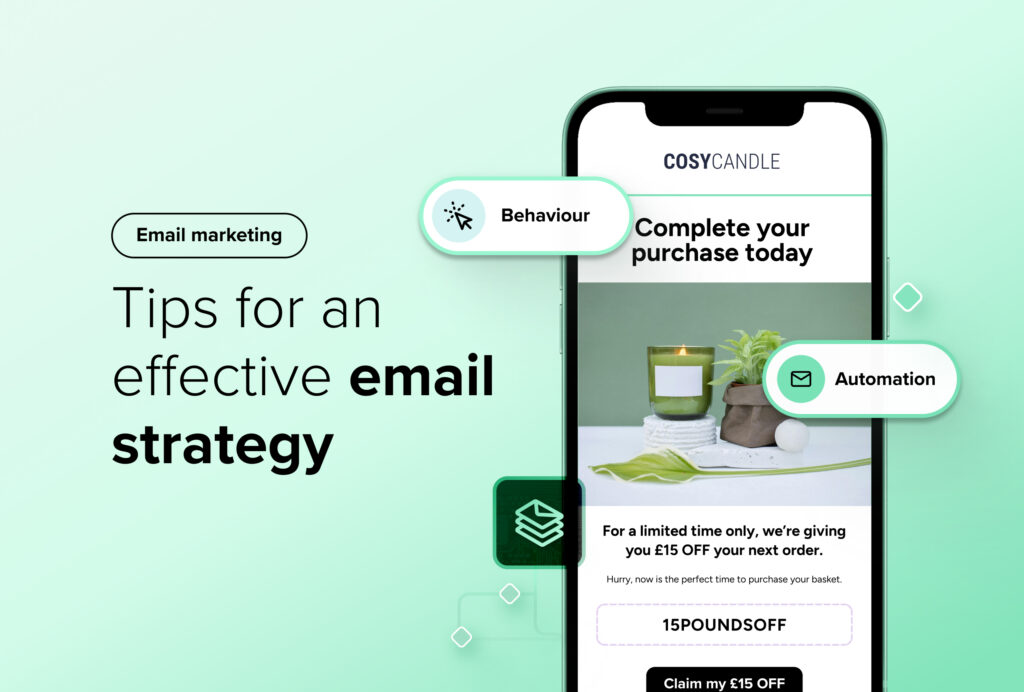
3. Targeted email and SMS marketing
You can also use first-party data and the segments you create from it to improve the effectiveness of your email marketing campaigns. By applying your knowledge of shoppers’ browsing and buying habits from Q4, you can send emails to drive clicks and conversions.
Using an automated retargeting solution, you can easily enrol shoppers in relevant email and SMS flows based on their data.
Many festive shoppers can become disengaged from your brand in the new year. With the following flows in place, you can use their data to reinject them into the buying journey:
- Post-purchase flow: If shoppers bought from you during Q4, follow up on their purchase by enrolling them in an automated post-purchase flow. You could suggest products that complement their original purchase to encourage additional purchases in the new year.
- Re-engagement flow: Incentivise Q4 shoppers to return in the new year by sending them a series of emails featuring an exclusive discount code.
- Price drop emails: If you’re running Winter or New Year sales, consider setting up price drop emails. These will automatically inform shoppers when an item they previously viewed in Q4 drops in price, encouraging a purchase.
It’s best to set up these flows ahead of Q1 to capture as many of your Q4 shoppers as possible. Doing so will help you retain more of your festive shoppers after the peak season is over.
Suggested reading: Learn how to optimise your email flows for maximum engagement by reading our article ‘Email Marketing Best Practices’.
Long-term benefits of first-party data
While harnessing first-party data can help you drive conversions in the short term, it also has long-term benefits. This is because it helps to improve your overall customer experience and, in turn, future-proof your brand.
Now more than ever, consumers are aware of how valuable their data is, yet they’ve also come to expect personalised experiences. Using first-party data allows you to meet their need for personalisation whilst maintaining data privacy.
Using first-party data, rather than relying on more traditional tracking methods like third-party cookies, helps build trust with your shoppers. As they’ve provided consent to share their data, they’ll also be more receptive to receiving content that uses it.
Here’s how you can benefit your brand long-term by collecting first-party data:
- Improving customer loyalty and retention: Collecting first-party data gives you more opportunities to build and nurture relationships with your shoppers. This helps you encourage repeat purchases and build a loyal customer base.
- Encouraging customer advocacy: First-party data enables you to give shoppers a more personalised experience. This can increase levels of customer satisfaction and make it more likely they’ll share their experience with others.
While leveraging first-party data can help you through Q1, it can also strengthen your business for months and years to come.
Suggested reading: Explore the impact of data privacy on eCommerce in our article ‘Google Abandons Third-Party Cookie Phase-Out: What It Means for eCommerce’.
Carry your Q4 success into Q1 2026
The post-Christmas period can be challenging for many retailers, with fewer visitors meaning fewer sales. Collecting first-party data during Q4 and leveraging it during Q1 can help you avoid a New Year’s slump.
Using data capture, personalisation and automated email retargeting, you can easily leverage first-party data to grow your sales in 2026.
1 eCommerce Grabs 17.9% of Overall Retail Sales in 2024’s Fourth Quarter | PYMNTS
2 The Personalized Customer Experience: Consumers Want You To Know Them | Forbes
Salesfire can help you use first-party data to power hyper-personalised customer journeys. Chat with one of our experts at [email protected] or request a free demo of our AI-powered solutions.



Author
Lucy Bedford
Content Marketing Executive